
My First Blog: Kare‑Kare for Lunch Today
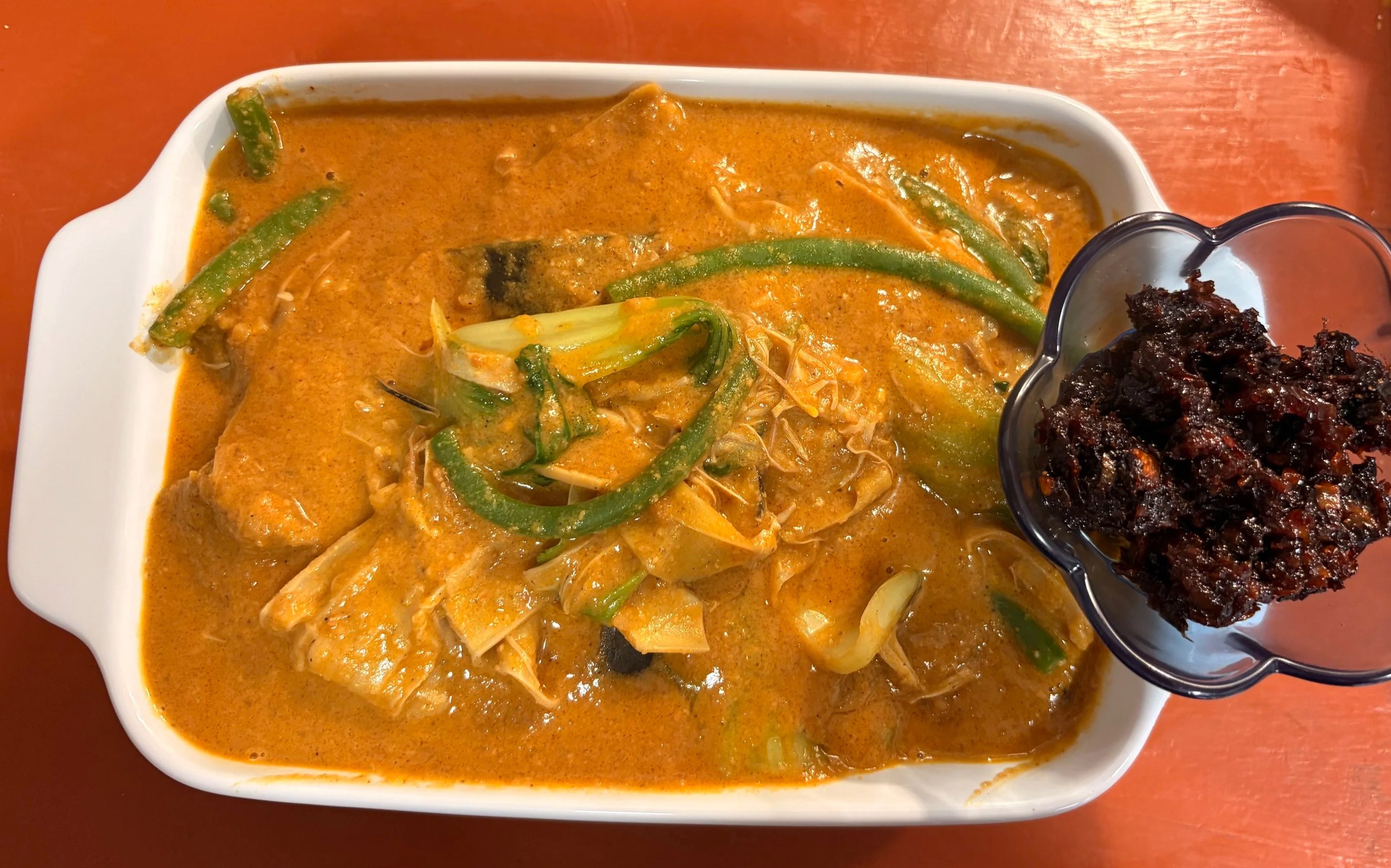
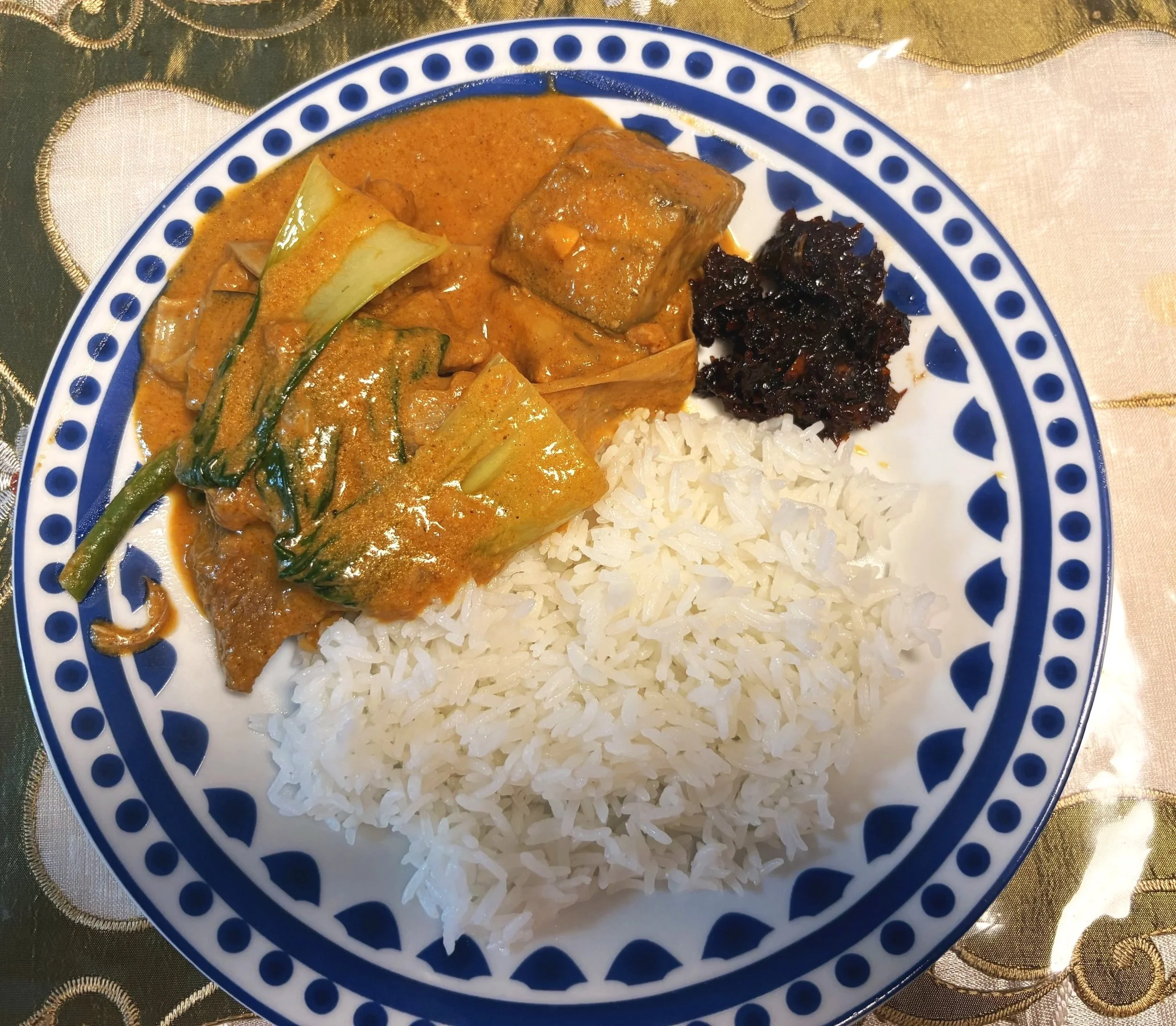
Today felt like the perfect day to cook something deeply Filipino, comforting, and celebratory — so I made Kare‑Kare, the iconic Filipino peanut stew known for its rich, nutty sauce and colourful vegetables. Traditionally served with bagoong alamang on the side, Kare‑Kare is one of those dishes that brings together family, memory, and the unmistakable warmth of Filipino cooking.
Although the dish looks elaborate, it’s surprisingly approachable once you understand the flow: simmer the meat, prepare the vegetables, build the peanut sauce, and bring everything together. Below is the exact recipe I used today — with a few practical notes for home cooks and some product recommendations from the Asian Market.
🛒 Products I Used from the Asian Market
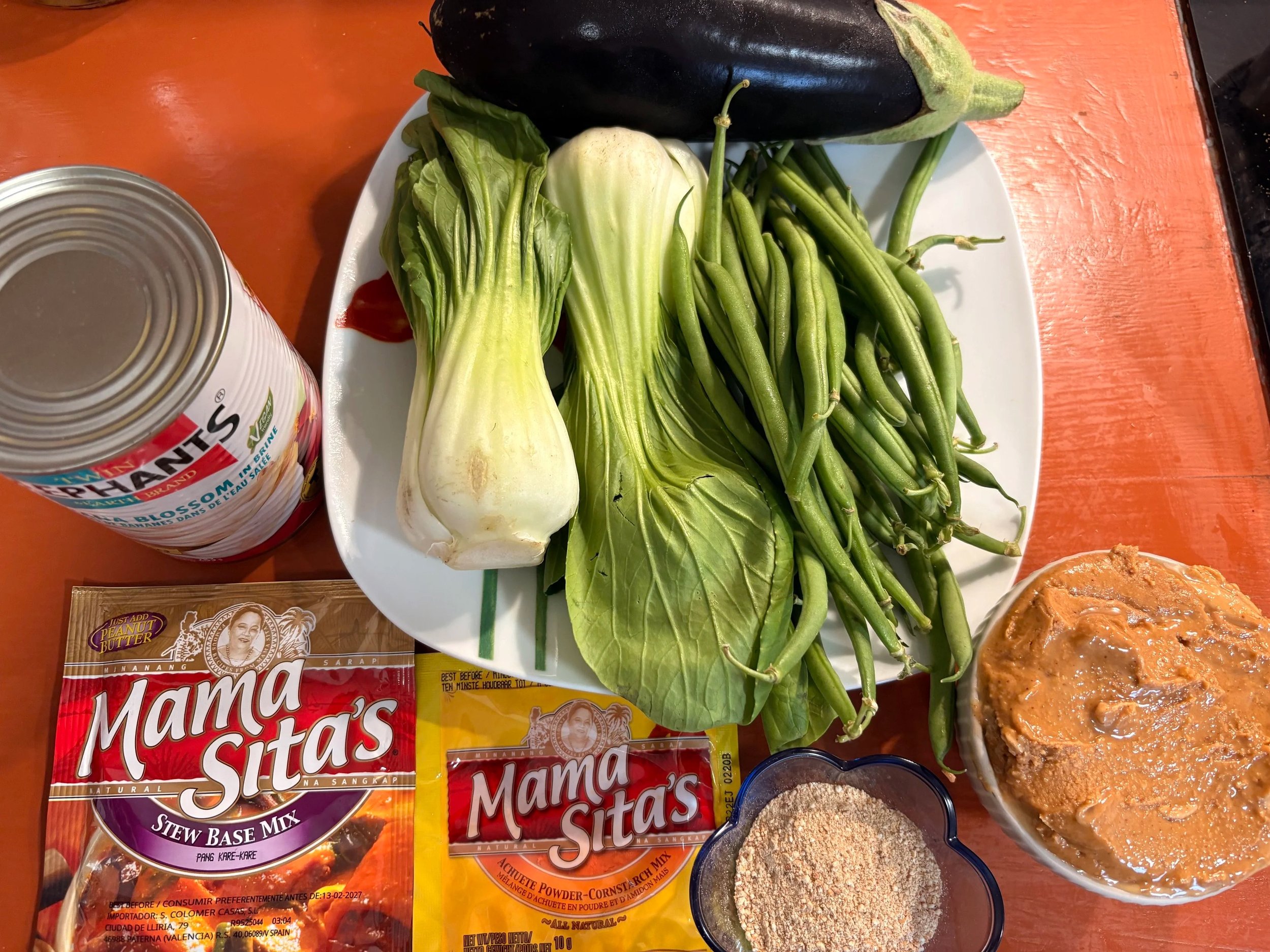
These were the key ingredients that made the cooking process easier and more authentic:
Peanut Butter
Mama Sita Kare‑Kare Mix (optional alternative to toasted rice + annatto)
Canned Banana Blossom
Mama Sita Annatto Powder
Bok Choy
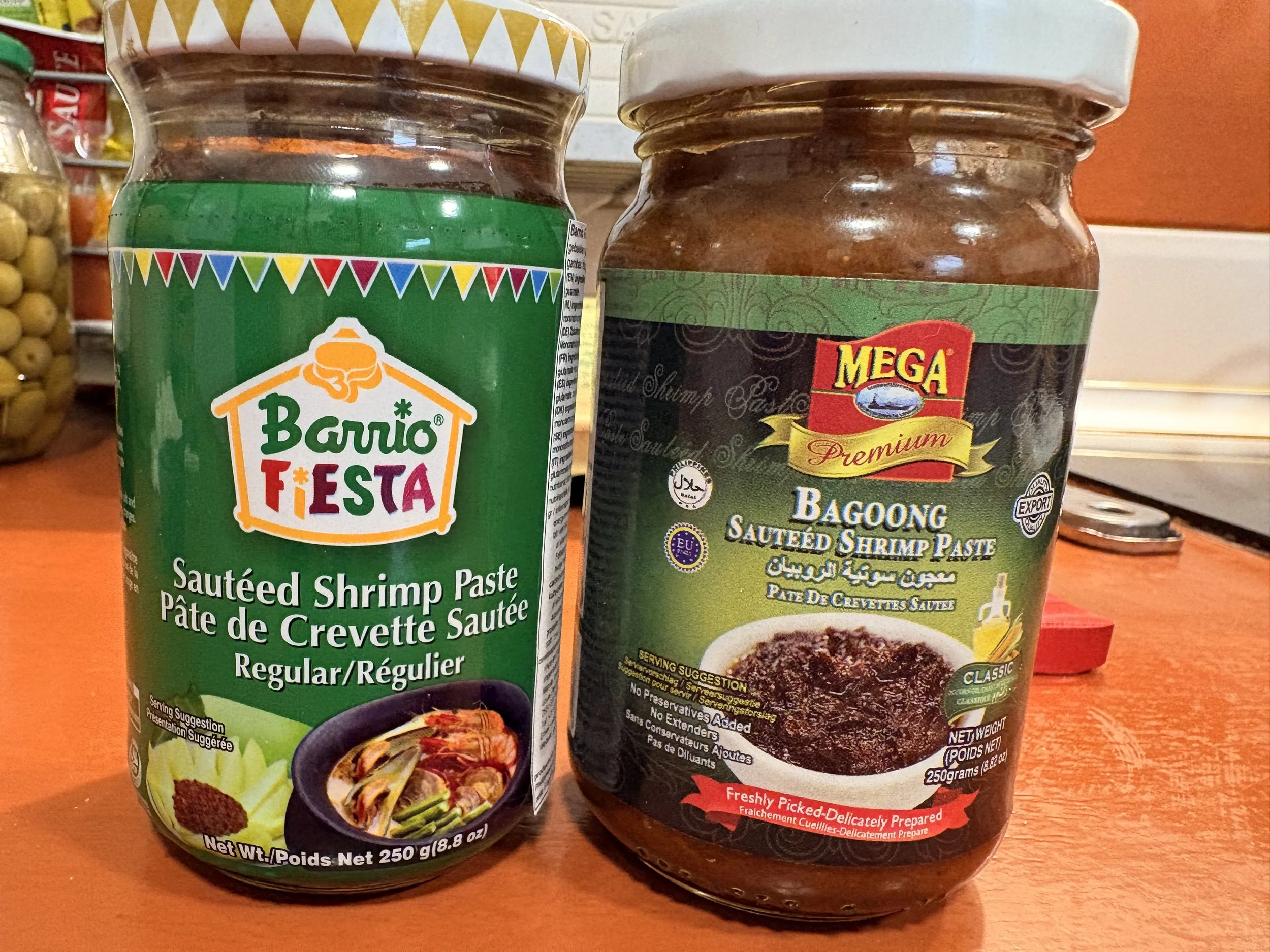
Bagoong Alamang
⭐ Kare‑Kare (Traditional Filipino Peanut Stew)
🥘 Ingredients
For the stew
1–1.2 kg oxtail, cut into segments (or mix with beef shank)
1 large onion, quartered
6–8 cups water
1 beef bouillon cube (optional but helpful)
1 banana heart (optional), sliced
1 medium aubergine, sliced
1 bunch sitaw (long beans), cut into 2‑inch pieces
1 bunch pechay or bok choy
For the peanut sauce
1 cup smooth peanut butter (unsweetened if possible)
3 tbsp annatto powder (atsuete) or ½ cup annatto water
½ cup ground toasted rice (or 2 tbsp rice flour as shortcut)
1 medium onion, finely chopped
4 cloves garlic, minced
2 tbsp cooking oil
Salt and pepper to taste
For serving
Bagoong alamang (Filipino shrimp paste), sautéed
🔥 Method
1. Cook the meat
Place oxtail (and/or shank) in a pot with onion and water.
Bring to a boil, then lower to a simmer.
Cook 2–3 hours until tender (or 45 minutes in a pressure cooker).
Skim off scum.
Reserve the broth.
2. Prepare the vegetables
Blanch sitaw, aubergine, and pechay separately until just tender.
Set aside.
3. Make the peanut sauce
In a separate pot, sauté garlic and onion in oil.
Add annatto powder and stir until the oil turns orange.
Add 2–3 cups of the beef broth.
Whisk in peanut butter until smooth.
Add ground toasted rice (or rice flour) to thicken.
Simmer 10 minutes until glossy and rich.
Season with salt and pepper.
4. Combine
Add the cooked oxtail to the peanut sauce.
Simmer 10–15 minutes so the flavours marry.
Arrange vegetables on top before serving.
5. Serve
Always with bagoong on the side — it’s the soul of Kare‑Kare.
🌟 Practical Notes & Helpful Shortcuts
Using Mama Sita Kare‑Kare Mix
If you prefer a quicker version, you can replace the ground toasted rice + annatto powder with Mama Sita Kare‑Kare Mix.
It already contains thickener, annatto, and seasoning, making the sauce smoother and faster to prepare.
About the Bagoong
For today’s lunch, I used store‑bought bagoong alamang — convenient and reliable.
But if you prefer a more personalised flavour, you can sauté your own bagoong with garlic, onion, sugar, and vinegar to adjust sweetness and saltiness exactly to your taste.
💛 Final Thoughts
Cooking Kare‑Kare today reminded me why Filipino food is so special: it’s generous, layered, and always meant to be shared. Whether you make it the traditional way or with a few modern shortcuts, the heart of the dish stays the same — rich peanut sauce, tender meat, vibrant vegetables, and that essential spoonful of bagoong
